
Bangladesh Descends into Chaos as Protests Erupt Over Slain Activist’s Death, Sparking Anti-India Violence
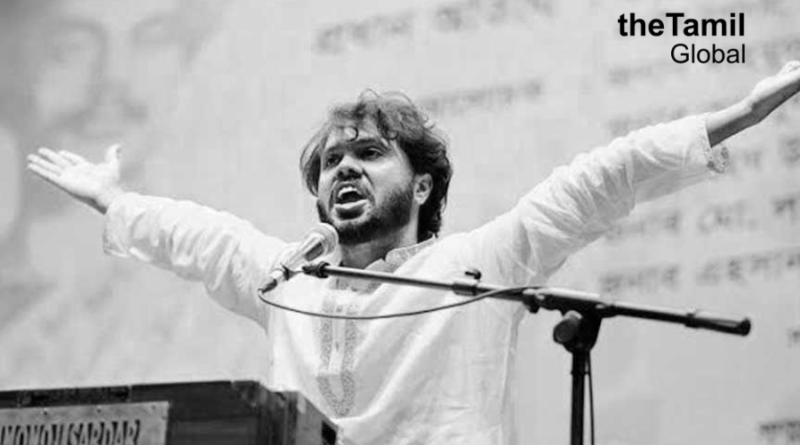
Violent unrest has gripped Bangladesh following the death of prominent youth activist Sharif Osman Hadi, a key figure in the 2024 anti-government uprising, plunging the nation into a fresh wave of protests, arson attacks, and targeted violence against pro-India media outlets. Security forces have been deployed across major cities, including Dhaka, as mobs torch buildings, chant anti-India slogans, and clash with authorities, raising fears of a broader political meltdown under the interim government led by Nobel laureate Muhammad Yunus.
Hadi, who was shot by masked assailants while leaving a mosque in Dhaka’s Paltan area on December 12, succumbed to his injuries on Thursday, igniting nationwide outrage. Protesters, many from student and youth groups that spearheaded the ouster of former Prime Minister Sheikh Hasina earlier this year, have accused the interim administration of failing to protect opposition figures and deliver justice. Demonstrations escalated rapidly, with crowds storming the offices of leading newspapers like Prothom Alo and The Daily Star, setting them ablaze in what appears to be retaliation against biased coverage of the uprising. Journalists were trapped inside during the attacks, prompting the government to issue a strong condemnation of the violence, stating it “stands with journalists” and is “deeply sorry” for the incidents.
The unrest has taken a dangerous anti-India turn, with protesters targeting the Indian Assistant High Commission in Chittagong and vandalizing symbols associated with India. Chants of “Boycott India” echoed through the streets, fueled by allegations of Indian interference in Bangladeshi politics. This comes amid reports of economic strain, including a garment sector hit hard by disruptions, with billions in losses from rioting and arson. Bangladesh’s economy, already reeling from political instability, has seen declining foreign reserves and a depreciating taka, exacerbating public frustration.
The Bangladesh Army has been called in to restore order, patrolling Dhaka’s streets as tensions simmer. Home of a former Awami League minister was set on fire, and Sheikh Hasina’s residence was torched in a symbolic act of defiance against her legacy. In Karwan Bazar, mobile vendors blocked intersections, causing traffic chaos and reflecting deeper economic despair, businesses shuttered, livelihoods lost, and a marketplace turned into a hotspot of frustration.
Protests have even disrupted railways, with angry crowds in Bahirab throwing stones at trains, injuring passengers and halting services. Hadi’s family has demanded a memorial at Shahbagh Square, the epicenter of past uprisings, amid calls for national mourning. Bishop Subroto of Dhaka described the situation as “very worrying,” noting a return to “full-blown street unrest and severe social instability.”
The interim government, installed after Hasina’s flight to India, faces accusations of incompetence. Yunus’s aide has apologized for the riots, but critics argue the administration is distracted by international visitors while the nation burns. This crisis has regional implications, especially for India, which shares a porous 4,000 kilometer border with Bangladesh. New Delhi has tightened border controls, banning tourist visas and scrutinizing trade, amid fears of spillover violence and refugee influxes.