
Exiled Again: The Tide of Deportations Sweeping Afghan Lives from Pakistan and Iran
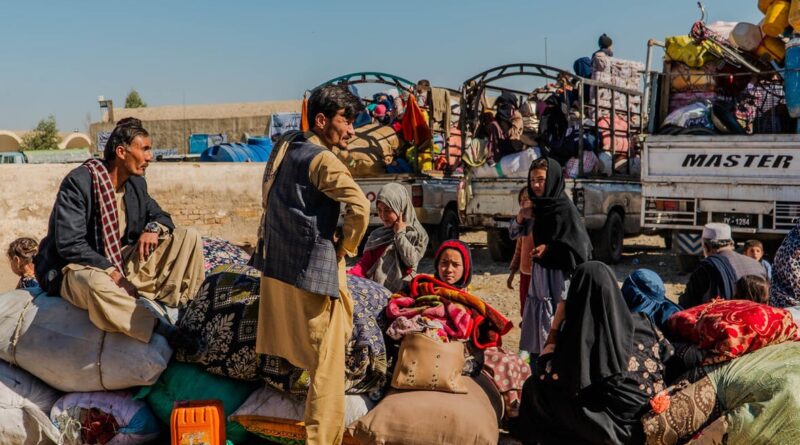
In the harsh winter cold of a Kabul migrant camp, Jamaluddin, a recent returnee from Pakistan, sits amid scant belongings, his face etched with exhaustion. “We were forcibly expelled; some of our belongings remained there. Here, we have neither money nor shelter. The problems are overwhelming; it’s cold, and winter has arrived,” he told TOLOnews reporters earlier this week. His words capture the desperation shared by thousands arriving daily, many empty-handed after abrupt deportations. On December 13 alone, nearly 6,000 Afghans were returned – about 4,800 from Pakistan and over 1,100 from Iran – according to the Taliban’s High Commission for Addressing Migrants’ Issues, as reported by Amu TV.
This relentless wave of repatriations has defined 2025, with over 2 million Afghans forced or compelled to return from neighboring countries since January, building on millions more in prior years. The International Organization for Migration (IOM) has tracked staggering numbers: more than 1.5 million returns from Iran alone this year, alongside hundreds of thousands from Pakistan, exacerbating Afghanistan’s humanitarian emergency amid economic collapse, drought, and Taliban restrictions.
Pakistan’s “Illegal Foreigners Repatriation Plan,” resumed aggressively in March 2025, initially targeted undocumented migrants and Afghan Citizen Card (ACC) holders, expanding later to include Proof of Registration (PoR) cardholders. Islamabad cites security concerns, linking Afghan nationals to attacks by groups like the Tehrik-i-Taliban Pakistan (TTP). Recent daily figures highlight the intensity: on December 11, over 7,000 Afghans were deported, primarily via Spin Boldak, Torkham, and other crossings, per Amu TV citing Taliban data. Returnees describe police raids, arbitrary arrests, and confiscation of property. “The Pakistani police took everything,” one deportee recounted in Kabul camps, echoing widespread accounts of mistreatment reported by ANI and TOLOnews.
Iran’s expulsions have been even larger in scale, driven by economic pressures, sanctions, and post-conflict tensions. Tehran aimed to deport millions of undocumented workers, many long-term laborers in construction and agriculture. The IOM documented surges earlier in the year, with policies accelerating after deadlines for regularization expired. By mid-2025, over 1.5 million had been returned, often forcibly, with families separated and possessions abandoned. At borders like Islam Qala and Pul-i-Abreshim, scenes of exhaustion unfold as deportees arrive in extreme heat or cold, many with children and no resources.
For those thrust back into Afghanistan, reintegration is fraught with peril. The Taliban registers arrivals and provides limited aid – cash, SIM cards, relocation assistance – but overwhelmed systems leave many in makeshift camps. Returnees like Jan Mohammad from Iran lament having “nowhere to go,” while others from Pakistan appeal for shelter and jobs, as covered by ANI. With 23 million Afghans facing acute food insecurity and women’s work banned, the influx strains fragile resources. UN agencies warn of deepening crises: mass returns risk instability, with vulnerable groups – women, children, former officials – facing reprisals or erasure under Taliban rule.
Human rights experts have condemned the deportations as violations of non-refoulement principles. In July statements, UN bodies decried the “staggering” scale – nearing 2 million by mid-year – urging halts amid Afghanistan’s deteriorating rights situation, particularly for women and minorities (OHCHR). Aid groups like the Norwegian Refugee Council highlight needs for food, shelter, and employment to survive winter, yet funding gaps persist.
Pakistan and Iran defend policies on security and economic grounds, with Tehran hosting talks on regional stability while continuing expulsions. The Taliban have pleaded for pauses, especially in winter, but flows continue unabated. As 2025 ends, projections suggest millions more at risk, with no respite for families like Jamaluddin’s – uprooted from decades in exile, now confronting uncertainty in a homeland transformed by hardship.
The international community faces urgent calls for resettlement, funding, and pressure to ensure dignified returns. Without action, this crisis threatens not just Afghans but regional stability, as displaced lives hang in precarious balance.