
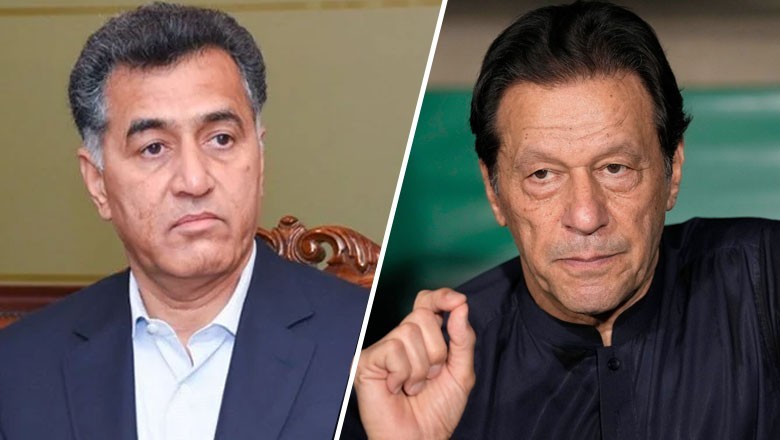
Pakistan’s Former Intelligence Chief Faiz Hameed Sentenced to 14 Years in Prison
In a landmark decision that marks the first conviction of an Inter Services Intelligence (ISI) chief in Pakistan’s 78-year history, a military court on Thursday sentenced Lt. Gen. (retired) Faiz Hameed to 14 years in rigorous imprisonment after finding him guilty on all four charges. The verdict, delivered by a Field General Court Martial, concluded a 15-month legal proceeding that began in August 2024 under the Pakistan Army Act.
Hameed, who served as Director General of the Inter-Services Intelligence from 2019 to 2021 during former Prime Minister Imran Khan’s tenure, faced charges of engaging in political activities, violating the Official Secrets Act in ways that jeopardized national security, misusing authority and governmental resources, and causing wrongful loss to individuals. The military’s Inter-Services Public Relations (ISPR) announced that the court found the former intelligence chief guilty on all counts.
The sentencing arrives at a contentious moment in Pakistan’s political landscape, as it coincides with increased scrutiny of military officers perceived to have supported the imprisoned Khan administration. While the military did not provide specific details about the charges, reports indicate that the proceedings encompassed allegations of unlawful business interference and investigations into Hameed’s conduct following his early retirement in 2022. Information Minister Attaullah Tarar stated that Hameed had interfered in politics by advising Khan after retiring, specifically citing violations of the Official Secrets Act, illegitimate use of authority, and involvement in political activities to spread chaos.
Observers have characterized the conviction as part of a broader pattern of targeting military and intelligence officers known for their loyalty to Khan. Hameed was regarded as a close ally of the former premier and had openly challenged the military hierarchy even after Khan’s ouster through a no-confidence vote in 2022. His detention in August 2023 followed claims that he raided businesses of a real estate developer, suggesting that the charges encompass events both during and after his tenure as ISI chief.
The timing of the conviction raises concerns about potential political persecution of pro-Khan military elements. The case occurred amid separate investigations into Hameed’s alleged involvement in inciting political unrest, which authorities claim relates to the May 9, 2023 assaults by Khan supporters on military facilities. Both Khan and approximately 150 of his party leaders and supporters have been charged in anti-terrorism courts for allegedly inciting these violent demonstrations, while Khan himself remains incarcerated since August 2023.
The conviction represents a rare occurrence within Pakistan’s military establishment, where high-ranking generals have historically enjoyed protection from prosecution. As a former ISI chief, a position typically considered the second most influential role in Pakistan’s military hierarchy, Hameed’s conviction signals a significant departure from historical precedent.
The court martial proceedings were conducted behind closed doors without public access, limiting transparency around the specific evidence and testimonies presented. Hameed was permitted to select his own defense team and retains the right to appeal to the Supreme Court of Pakistan. The ISPR statement indicated that a separate investigation into his role in alleged political destabilization efforts continues independently.
The sentencing underscores escalating tensions between the military establishment and Khan’s Pakistan Tehreek-e-Insaf party. By convicting a prominent general closely associated with Khan on charges that remain largely opaque to the public, the military appears to be consolidating control and eliminating potential sources of institutional resistance from within its own ranks, a development that critics argue reflects political persecution disguised as judicial process.