
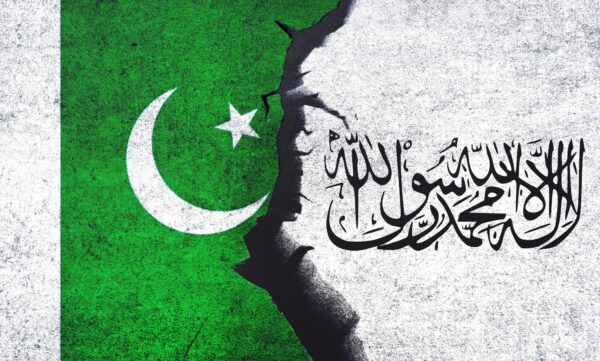
Pakistan and Afghanistan Exchange Fire Across the Border: At Least 5 Killed
The fragile truce between Pakistan and Afghanistan was brutally shattered overnight Friday to Saturday as heavy artillery and gunfire erupted across the Chaman–Spin Boldak crossing, leaving multiple casualties and forcing local residents to flee their homes along the vital, yet volatile, border. The renewed hostility marks the most significant outbreak of violence between Pakistani forces and the Afghan Taliban administration since deadly clashes in October, immediately following the collapse of a new round of internationally mediated peace talks.
The exchange of fire, which local residents reported began around 10:30 PM Friday (5th December) and lasted for approximately two intense hours, focused on the key trade route connecting Pakistan’s Balochistan province with Afghanistan’s Kandahar province. Casualty figures were grimly confirmed on Saturday morning. Afghan officials reported at least four civilians and one soldier killed, with five other civilians wounded on the Afghan side, according to a video statement given by Afghan government spokesman Hamdullah Fitrat. Across the border, three people, including a woman, were treated for minor injuries at the district hospital in the Pakistani border town of Chaman, as reported by the Pakistani daily Dawn. Eyewitness accounts, relayed through international agencies like AFP, described a night of terror where mortar shells struck civilian homes on both sides of the frontier. Residents in Spin Boldak spoke of tanks firing and mortars hitting houses, leading to civilian deaths as people attempted to seek safety.
In a now-familiar pattern that underscores the breakdown of dialogue, both governments immediately traded accusations over who initiated the firing, demonstrating the deep-seated mistrust that has festered since the Taliban’s return to power in Kabul in 2021. The Taliban government’s spokesman, Zabihullah Mujahid, posted a statement on X (formerly Twitter) late Friday, claiming that the “Pakistani side once again launched attacks towards Afghanistan in the Spin Boldak district of Kandahar, prompting the Islamic Emirate forces to respond.” Conversely, Mosharraf Zaidi, a spokesman for the Pakistani Prime Minister, released a statement on X accusing the Afghan Taliban regime of “unprovoked firing along the Chaman border,” adding that Pakistan’s armed forces delivered an “immediate, befitting & intense response” and remained committed to ensuring its territorial integrity.
This latest conflagration is directly linked to the stalled political process. Multiple rounds of peace talks mediated by Turkey, Qatar, and most recently Saudi Arabia, have failed to produce a lasting settlement to the core issue: Pakistan’s long-standing accusation that the Taliban administration harbours anti-Pakistan militant groups, particularly the Tehreek-e-Taliban Pakistan (TTP), which Islamabad blames for a surge in cross-border terrorism. Kabul vehemently denies these allegations, arguing that Pakistan’s internal security challenges are its own responsibility. The failure of negotiators to bridge this chasm in Istanbul and subsequent meetings has allowed the fragile ceasefire, brokered in October following clashes that killed dozens, to erode into open hostility. The exchange of fire comes just a day after Pakistan announced it would partially reopen the Chaman border crossing for United Nations aid deliveries into Afghanistan, a decision now overshadowed by the threat of further escalation. Analysts view the closure of the border, a crucial artery for trade and humanitarian access, as a major leverage point for Pakistan, but one that directly impacts the already distressed Afghan economy. The immediate security crisis confirms fears that the border dispute, fueled by intractable security demands and the lack of a diplomatic breakthrough, is quickly sliding toward a more entrenched and violent confrontation, risking wider regional instability.