
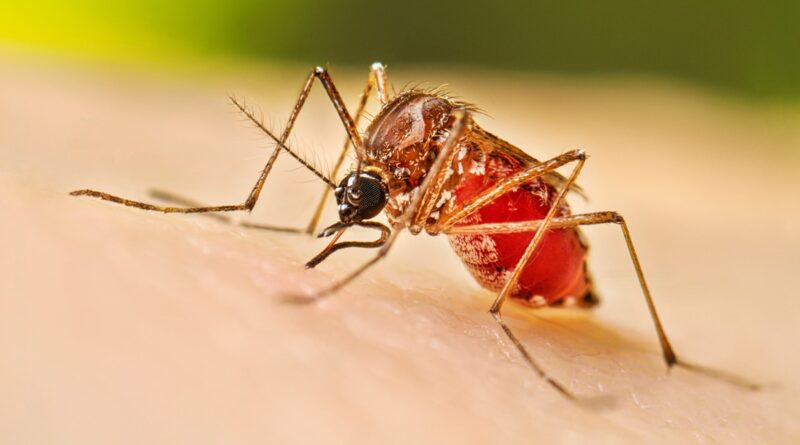
Bangladesh’s Dengue Crisis Continues With Over 93,000 Cases.
Bangladesh is grappling with an unrelenting public health crisis as the mosquito-borne dengue fever continues its severe sweep across the nation, defying the expected seasonal decline that usually accompanies the transition into the cooler months of November. This year has been marked by a staggering surge in cases and fatalities, placing immense and sustained pressure on the country’s healthcare infrastructure and revealing systemic gaps in public health management and climate change preparedness. The grim figures, compiled by the government’s own Directorate General of Health Services (DGHS), illustrate the catastrophic scale of the outbreak. The DGHS has confirmed that the cumulative death toll for 2025 has reached a harrowing 377 fatalities, with the total number of confirmed infections climbing to over 93,700 cases since January 1st. Disturbingly, the crisis shows no sign of abating; November itself has tragically recorded over 80 deaths, marking it as one of the deadliest months of the year, even surpassing the peak of the traditional monsoon season.
The geographical spread of the disease has evolved beyond its traditional urban centre in Dhaka, with the mosquito-borne illness now firmly entrenched across the entire country, including the cities of Chattogram, Barisal, and Mymensingh. This expansion into regional and rural areas strains a healthcare system already struggling with capacity, forcing hospitals in the capital to operate at surge levels, with many patients reportedly sharing beds or receiving treatment in corridors. Experts, including Professor and entomologist Kabirul Bashar of Jahangirnagar University, have publicly attributed this unprecedented and prolonged crisis to three critical factors: the effects of climate change, inadequate mosquito management by local authorities, and rapid, often unplanned, urbanization. The Bangladesh Meteorological Department’s data confirms that the country experienced a delayed and prolonged period of heavy rainfall, extending well into late October this year. This erratic weather pattern, characterized by temperatures remaining favorable for the Aedes aegypti mosquito, has effectively extended the breeding cycle well beyond what was historically considered the end of the dengue season, ensuring continuous transmission and creating conditions that entomologists warn may make the disease endemic year-round. Professor Bashar cautioned that a significant decrease in new cases is unlikely to be seen until January next year, emphasizing the need for long-term strategies rather than purely seasonal containment.
The government’s response, led by the Ministry of Health and Family Welfare and city corporations, has focused primarily on public awareness campaigns and localized mosquito control drives. The Ministry has issued repeated public advisories urging citizens to seek medical advice at the first sign of fever, use mosquito nets both day and night, a necessary measure given the Aedes mosquito’s daytime biting habits and, crucially, eliminate stagnant water in and around homes and construction sites. Local bodies, such as the Dhaka South City Corporation (DSCC), have launched large scale cleanliness and mosquito control campaigns, deploying thousands of workers to remove waste from drains and apply anti-larval chemicals. However, public health experts, including those affiliated with non-governmental organizations, caution that these efforts, while necessary, have been insufficient to contain the outbreak’s severity. NGOs and international partners, while often focusing their long-term health initiatives on vulnerable populations such as the Rohingya refugee camps, where concentrated efforts have reportedly resulted in fewer dengue cases compared to the previous year, have consistently called for a more robust, coordinated, and non-partisan national response plan. Groups focusing on public health literacy and community empowerment stress the need to strengthen municipal governance and ensure the timely procurement of effective insecticides, avoiding the pitfalls of delayed action and bureaucratic hurdles that have plagued previous attempts to control the vector population in major cities. With the death toll continuing to climb, the unfolding dengue crisis serves as a stark reminder of Bangladesh’s vulnerability to climate-driven health emergencies and the urgent need for a unified strategy to prevent this seasonal threat from becoming a permanent national tragedy.