
Death Toll in Sri Lanka Rises to 334 with 370 Missing
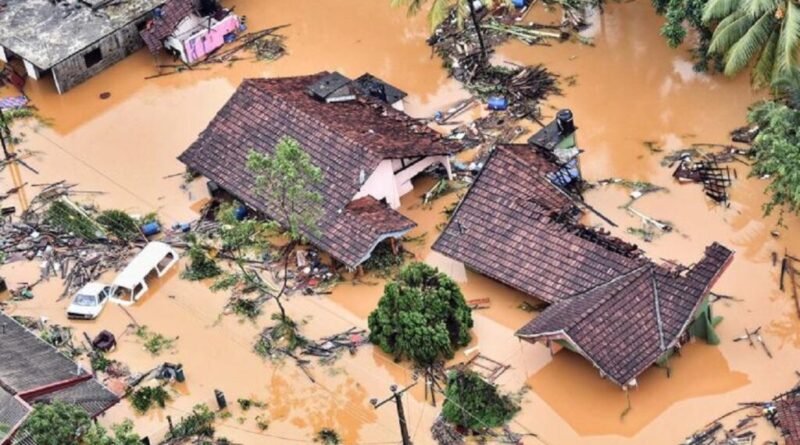
The death toll from the catastrophic floods and landslides triggered by Cyclone Ditwah and subsequent torrential rains has soared past 334, plunging Sri Lanka into one of its deadliest natural disasters in recent memory, according to the latest figures released by the government’s Disaster Management Centre (DMC) on Sunday. As rescue operations continue amidst severe challenges, the official statistics indicate that at least 334 people have been confirmed dead, while a staggering 370 people remain officially missing, raising fears that the final casualty count will climb even higher as search teams reach isolated areas. The true extent of the devastation, exacerbated by the relentless heavy rainfall that persisted long after the cyclone passed, is slowly becoming clear as soldiers, police, and specialized rescue teams work tirelessly to access remote communities where entire homes were buried by devastating mudslides.
Sri Lanka is struggling to cope with the sheer scale of the humanitarian crisis. The DMC reported that over 968,000 individuals, representing more than 266,000 families, have been severely affected across nearly every district. President Anura Kumara Dissanayake was compelled to declare a State of Emergency on Saturday to expedite relief and rescue efforts, mobilizing over 20,000 military personnel in a desperate race against time. The hardest-hit areas for fatalities are concentrated in the central hill country, with the districts of Kandy and Badulla reporting the highest number of deaths and missing persons, where steep, rain-soaked slopes gave way, burying houses and residents underneath tonnes of earth and debris.
Rescue teams are facing enormous hurdles as key infrastructure remains crippled. Over 200 roads, dozens of bridges, and several railway lines have been damaged or completely destroyed. Flood warnings remain critically high for major rivers like the Kelani and Kalu Ganga, which continue to inundate low-lying urban suburbs of Colombo, forcing over 147,000 displaced residents into nearly 1,100 makeshift emergency shelters. Communication networks remain severely disrupted in many rural zones, making the task of verifying missing person reports and coordinating aid logistics a monumental challenge for the authorities. The nation watches anxiously as the military and volunteer teams continue their search for the missing, knowing that for many of the buried, time is rapidly running out.