
Combat-Related Deaths in Pakistan Surge 73% in 2025 — Think Tank
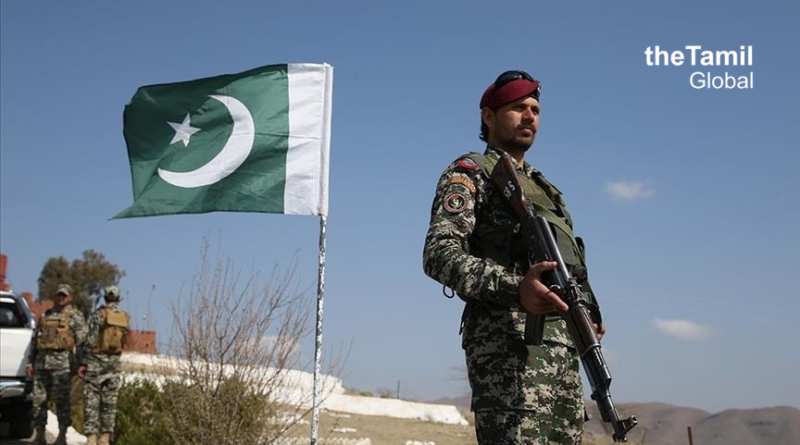
Pakistan’s security landscape took a grim turn in 2025, with combat-related fatalities soaring by 73 percent compared to the previous year, according to a comprehensive annual report released by an independent think tank. The escalation underscores the persistent challenges posed by militant groups, cross-border tensions, and internal insurgencies, painting a picture of a nation grappling with resurgent violence in its volatile border regions. This surge not only highlights the human cost but also raises questions about the effectiveness of ongoing counter-terrorism strategies and the geopolitical dynamics at play in South Asia.
The report, compiled by the Pakistan Institute for Conflict and Security Studies (PICSS), an Islamabad based research organization specializing in conflict analysis, documents a total of 3,387 deaths linked to militant violence and security operations in 2025. This marks a sharp rise from 1,950 fatalities recorded in 2024, representing the highest annual toll in nearly a decade. Breaking down the figures, militants bore the brunt of the casualties, with 2,115 deaths, a staggering 122 percent increase from 951 the year before, and the most since 2,322 in 2015. Security forces personnel suffered 664 losses, up 26 percent from 528 in 2024, the highest since 677 in 2011. Civilian deaths climbed to 580, a 24 percent rise from 468, marking the deadliest year for non-combatants since 642 in 2015. Additionally, 28 members of pro-government peace committees were killed, further illustrating the broad impact on community level stabilizers.
The violence was not evenly distributed across the country but concentrated in the Pashtun majority districts of Khyber Pakhtunkhwa (KP) province, including former tribal areas, and the restive southwestern province of Balochistan, both sharing porous borders with Afghanistan. These regions have long been hotspots for insurgent activities, with groups like the Tehreek-e-Taliban Pakistan (TTP) and Baloch separatist outfits such as the Baloch Liberation Army (BLA) intensifying their campaigns. PICSS noted a 17 percent uptick in militant attacks, totaling 1,063 incidents, the highest since 1,609 in 2014. Suicide bombings saw a particularly alarming 53 percent increase, jumping to 26 from 17 in 2024, often targeting security convoys and checkpoints.
Emerging tactical shifts added layers of complexity to the conflict. The think tank highlighted a 33 percent recorded use of small drones, including quadcopters, by militants for surveillance and attacks, a trend that mirrors global asymmetric warfare developments. In response, Pakistani security forces ramped up their deployment of unmanned aerial vehicles (UAVs) for precision strikes, contributing to the high militant casualty figures. Arrests of suspected militants also surged by 83 percent to 497, the most since 1,781 in 2017, indicating intensified intelligence-led operations. However, critics argue that such measures, while effective in the short term, fail to address root causes like socioeconomic disenfranchisement and political grievances in marginalized areas.
The report’s findings come amid heightened accusations from Pakistani officials that Afghanistan’s Taliban-led government is providing safe havens to militants launching cross-border assaults. Kabul has consistently denied these claims, but the friction has strained bilateral relations, with incidents of border skirmishes reported throughout the year. In September 2025 alone, militant violence in Pakistan dropped sharply from August highs, but overall trends suggest a rebound in insurgent capabilities, possibly bolstered by external support or internal recruitment drives. This echoes patterns seen in earlier reports, such as PICSS’s monthly assessments, which tracked fluctuations like a 52 percent decline in attacks in September but persistent threats in KP and Balochistan.
From an international perspective, this surge in violence raises concerns about regional stability. Pakistan’s role as a frontline state in counter-terrorism efforts, coupled with its nuclear arsenal, makes any escalation a matter of global interest. The United States and China, both key partners of Islamabad, have expressed support for Pakistan’s security operations, but human rights groups like Amnesty International have criticized the heavy-handed approach, pointing to allegations of extrajudicial killings and civilian collateral damage. In a broader context, the Global Terrorism Index 2025 ranked Pakistan second worldwide for terrorism impact, with deaths from terrorist attacks rising 45 percent to 1,081, confirming the think tank’s data.
Government responses have been multifaceted. The Pakistani military launched several operations, including intelligence-based raids that neutralized dozens of militants, as seen in a recent action in Kalat, Balochistan, where four terrorists were killed. Political leaders, including those from the ruling coalition, have called for national unity against extremism, while opposition figures like those from Imran Khan’s Pakistan Tehreek-e-Insaf (PTI) accuse the administration of politicizing security issues. Think tanks like PICSS recommend enhanced border management, community engagement, and diplomatic pressure on Afghanistan to curb sanctuaries, suggestions that could form the basis for policy reforms in 2026.
As Pakistan reflects on a bloody year, the PICSS report serves as a stark reminder of the enduring threat from militancy. While security forces have inflicted heavy losses on insurgents, the rising civilian and military toll demands a holistic strategy beyond kinetic operations. International cooperation, particularly with neighbors, will be crucial to stemming the tide. Without it, 2026 risks repeating the cycle of violence that has plagued the region for decades.