
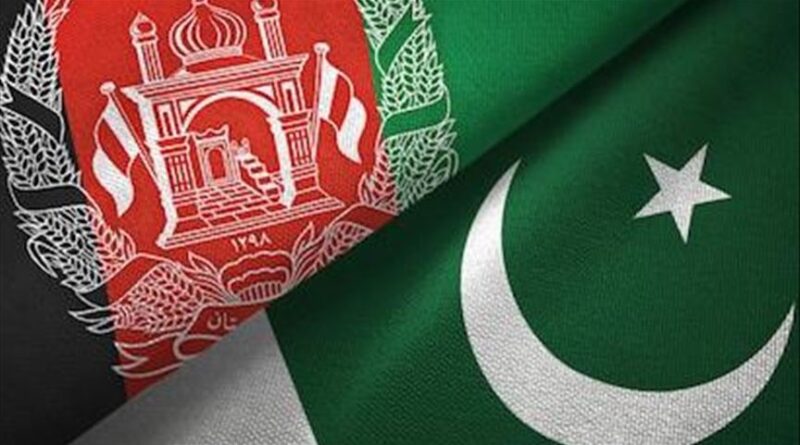
Iran to Host a Mediation Meeting for Pakistan and Afghanistan in Mid December
In a major diplomatic effort to stabilize one of the world’s most volatile regions, Iran has stepped forward to convene a crucial mediation meeting next month between Pakistan and the Afghan Taliban government, attempting to de-escalate soaring tensions fueled by cross-border militant violence. The initiative, announced by Iranian authorities, signals growing regional alarm over the increasing frequency of militant attacks emanating from Afghan soil, which Islamabad attributes to the Tehrik-e-Taliban Pakistan (TTP) and its affiliates. The proposed dialogue is set to bring together neighboring and key regional players, including Russia, creating a “special contact group on Afghanistan” aimed at fostering security and political stability.
The move comes at a critical juncture for both Islamabad and Kabul. Pakistan’s relationship with its eastern neighbor has been severely strained since the Taliban’s takeover in 2021. Despite initial expectations that the new Afghan regime would curb anti-Pakistan militancy, groups like the TTP have used Afghan territory to launch increasingly sophisticated and deadly attacks against Pakistani security forces and infrastructure. The latest was a suicide and gun assault on a Federal Constabulary headquarters in Peshawar earlier this week, a recurring tragedy that has pushed bilateral trust to an all-time low. Pakistan’s Foreign Office (FO) spokesperson, in recent briefings confirmed to local journalists that Pakistan had repeatedly expressed its deep concerns regarding the use of Afghan territory by terrorist groups in clear violation of the 2020 Doha Agreement. The spokesperson emphasized that the ongoing violence remains the “single biggest impediment” to normalization between the two countries, publicly stating that Islamabad expects concrete, verifiable actions, not just assurances, from the interim Afghan government.
The initiative was formally announced by Iranian Deputy Foreign Minister Saeed Khatibzadeh, who underlined Tehran’s vested interest in preventing regional destabilization. Khatibzadeh explained that the formation of a “special contact group on Afghanistan” is viewed as the most effective mechanism to address multi-dimensional challenges, from border security to economic migration, and will convene in mid-December. The inclusion of Russia, which has its own long-standing strategic interests in Central Asia and a unique diplomatic relationship with both Islamabad and the Afghan Taliban, is considered vital to the group’s potential leverage. Russia had previously offered its services as a mediator, urging both Pakistan and the Afghan authorities to prioritize direct dialogue. The involvement of these external powers suggests the crisis is now viewed less as a bilateral border issue and more as a serious regional security threat requiring multilateral intervention.
Economic consequences are also heavily influencing Pakistan’s stance. In response to the persistent security threat, Pakistan implemented stricter border controls, including the temporary suspension of trade and the compulsory repatriation of undocumented Afghan nationals. The fallout from these actions has been significant. Ghani Rahman, an economic analyst specializing in Pak-Afghan trade and speaking on behalf of the South Asian Strategic Stability Institute (SASSI), noted that the trade suspension has led to unprecedented price volatility in Pakistan’s northwest. Rahman highlighted that while prices for imported goods like fruit have dramatically increased, the lack of export access to Afghanistan has caused severe distress among Pakistani farmers, particularly poultry and vegetable producers, who now face massive domestic surpluses and plummeting prices. This economic pressure adds another layer of urgency to the diplomatic push.
Furthermore, human rights groups are closely monitoring the security crisis and its implications for civilian populations. The Islamabad-based Human Rights Commission of Pakistan (HRCP) has consistently highlighted that the cycle of cross-border skirmishes and military retaliation disproportionately affects communities living along the Durand Line. A recent HRCP press release addressed the humanitarian dimension, calling for all regional parties to ensure that security measures adhere strictly to international human rights standards. The HRCP stressed that the diplomatic resolution must focus on sustainable peace rather than short-term security gains, urging the inclusion of mechanisms to protect ethnic minorities and monitor refugee movements, warning that failure to secure an agreement could trigger further displacement and humanitarian crises in the border regions. The convergence of security, economic, and humanitarian concerns has therefore placed considerable weight on the forthcoming Tehran meeting. Analysts suggest that for the meeting to be successful, it must move beyond general condemnations and establish a concrete, verifiable framework for monitoring militant groups and sharing actionable intelligence, a task made immensely difficult by the internal political divisions within the current Afghan administration regarding the TTP. The world will be watching whether this regional gathering can successfully broker a path away from the brink.