
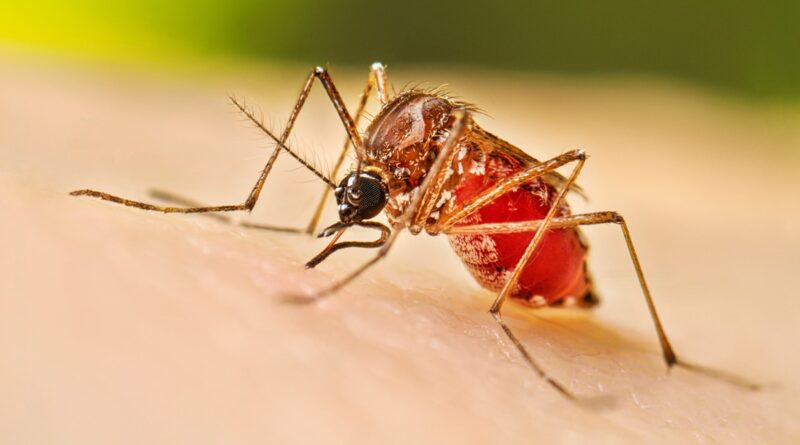
Bangladesh is facing the worst ever Dengue epidemic in its history with more than 90,000 cases.
Bangladesh is currently grappling with one of the most protracted and devastating dengue fever outbreaks in its history, with health authorities confirming that November 2025 has already recorded the highest monthly death toll of the year. The crisis, driven by a convergence of rapid, unplanned urbanization and climate change, has pushed the country’s public health system to its breaking point, transforming a typically seasonal illness into a year-round endemic threat. As of Monday, the death toll for 2025 stands at 366 fatalities, with the total number of confirmed cases surpassing 90,900, according to the latest figures released by the Directorate General of Health Services (DGHS).
The data reveals a disturbing trend: while last year, 2024, saw a slightly higher total number of deaths at 575, the current outbreak is remarkable for its persistence deep into the post-monsoon period, signaling a permanent epidemiological shift. Just in the 24 hours leading up to Monday morning, two more fatalities were reported, along with 705 new hospitalizations, demonstrating that the peak of the season has yet to recede as in previous years. The Ministry of Health and Family Welfare has responded by issuing public advisories, urging individuals to seek medical attention immediately at the onset of fever and stressing the need for household-level source reduction. The ministry’s advisory, highlighted in local media, also urgently asked households and building sites to “remove and clean all accumulated water” to eliminate the breeding grounds of the mosquitos, which has distinct daytime biting habits.
Expert analysis confirms that the changing climate is the principal culprit behind the extended transmission window. Professor Kabirul Bashar, a leading entomologist from Jahangirnagar University, was quoted in media reports explaining that the country’s rising average temperatures and prolonged, delayed rainfall extending into late October have created ideal conditions for the Aedes mosquito to thrive well past the traditional monsoon season. “For the first time in the recorded past, November has become such a deadly month,” Professor Bashar stated, adding that the country’s consistently warm weather is highly favorable for both the mosquito’s survival and the rapid replication of the dengue virus itself. This scientific consensus underpins the widespread fear that Bangladesh will no longer have a definitive ‘dengue season’ but will instead face a perpetual crisis that strains national resources and affects social stability.
The scale of the outbreak has exposed systemic weaknesses in governance and urban planning, particularly in the megacity of Dhaka, which accounts for a disproportionate share of both cases and fatalities. According to a recent detailed analysis published in a scholarly journal, Bangladesh’s “National Dengue Prevention and Control Strategy (2024–2030)” explicitly recognizes the increasing influence of climate change, urbanization, and evolving viral strains. However, effective implementation remains fraught with challenges. The strategy’s goal is to establish a robust multi-sectoral coordination mechanism, recognizing that dengue control transcends the health ministry and requires the active involvement of local government, finance, and public administration.
Yet, independent oversight bodies have pointed to major flaws in execution. A report by Transparency International Bangladesh (TIB), while referring to a slightly earlier period, exposed significant governance failures that remain relevant to the current crisis. TIB highlighted legal compliance lapses, particularly the failure to fully implement the Communicable Diseases (Prevention, Control and Eradication) Act 2018, and cited a capacity shortage where the budget, workforce, and machinery at the municipality level are deemed “woefully inadequate” given the magnitude of the problem. Crucially, the TIB research also criticized the overreliance on chemical methods (fogging with adulticides) without sufficient investment in source reduction, the physical identification and destruction of mosquito breeding sites, particularly those inside private properties. This persistent reliance on highly visible but often ineffective measures, year after year, has resulted in what TIB referred to as the wasteful expenditure of substantial public funds without tangible improvement in control activities.
The human cost is exacerbated by the tendency of patients to seek care too late. The DGHS reported earlier this year that more than 50 per cent of dengue deaths in hospitals were occurring on the very first day of admission, suggesting that patients are only seeking help when their condition has already become critical. This delay in seeking medical care, coupled with the immense pressure on hospital resources, elevates the fatality rate.
Ultimately, the dengue crisis in Bangladesh is a complex symptom of global environmental change intersecting with local administrative shortfalls. While the government is implementing a strategy that includes long-term measures like potential vaccination campaigns, the immediate solution, as noted by both government and expert sources, relies heavily on improving multi-sectoral coordination and ensuring meticulous, evidence-based vector control efforts at the community level to break the deadly cycle of transmission. The humanitarian stakes remain immensely high as the country braces for the possibility of another record-breaking year.