
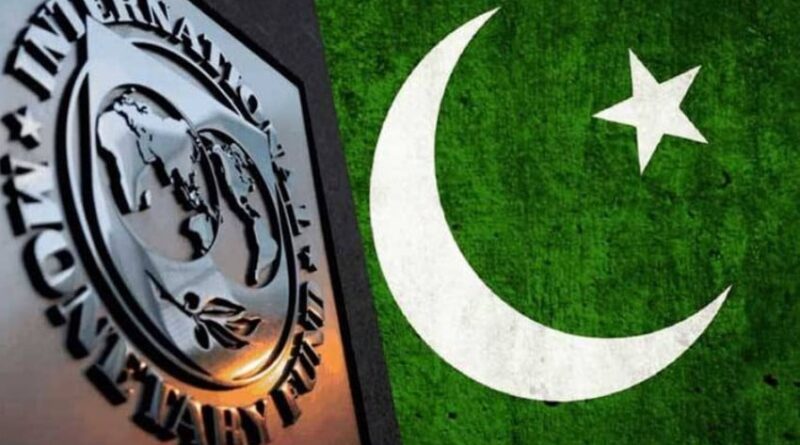
IMF Releases Another Tranche of $1.2 Billion to Pakistan
The State Bank of Pakistan (SBP) confirmed today, Thursday, December 11, 2025, that it has officially received a crucial disbursement of approximately $1.2 billion from the International Monetary Fund (IMF), a move that provides immediate and much-needed relief to the country’s precarious foreign exchange reserves and acts as a pivotal signal to global financial markets. The funds, which the SBP confirmed would be reflected in the bank’s foreign exchange reserves for the week ending December 12, represent the successful completion of a rigorous review process by the IMF Executive Board, covering two distinct but interlinked financial arrangements: the second review of the Extended Fund Facility (EFF) and the first review under the Resilience and Sustainability Facility (RSF). The amount, specifically SDR 914 million, is split into two components: approximately $1 billion under the EFF for macroeconomic stabilization and $200 million dedicated to the climate-focused RSF. This successful disbursement brings the total funding received by Pakistan under these dual programs since the initial bailout approval to roughly $3.3 billion, as confirmed by both the SBP in its official statement and the IMF’s press release earlier this week.
The IMF Executive Board, in its decision released on Monday, December 8, commended Pakistan’s authorities for their “strong program implementation,” noting that the country “has maintained stability and improved financing and external conditions” despite the severe shock of recent devastating floods. This endorsement validates the government’s strenuous efforts to meet tough fiscal conditions, which included achieving a primary surplus of 1.3 percent of the Gross Domestic Product in the last fiscal year, a target set by the IMF. Gross reserves stood at a promising $14.5 billion at the end of the last fiscal year, a significant rise from $9.4 billion a year earlier, and are projected to continue rebuilding, according to the IMF’s latest statement. Prime Minister Shehbaz Sharif welcomed the decision, which he termed a “recognition of the government’s reform drive and the effective implementation of IMF-endorsed measures,” a view reported by state media including Radio Pakistan and the Associated Press.
However, the narrative of stability is met with cautious analysis by independent economists and non-governmental organizations (NGOs). While acknowledging the essential role of the liquidity injection in stabilizing the exchange rate and averting an immediate balance of payments crisis, analysts from organizations like the Sustainable Development Policy Institute (SDPI) have warned that the current trajectory points more toward economic containment than sustainable, job-creating recovery. Projections released by the IMF alongside the disbursement statement reveal that while the immediate risk of freefall has eased, economic growth is projected to inch up only modestly to 3.2 percent by fiscal year 2026, a pace that barely surpasses the country’s rapid population growth. Furthermore, the public debt burden remains heavy, projected to hover around 72-73 percent of GDP, and unemployment is forecast to fall only modestly to 7.5 percent by FY26, according to analysis published by Dawn. The IMF itself, through Deputy Managing Director Nigel Clarke, stressed that “a sustained reform effort” is necessary to secure medium term growth that is led by the private sector, emphasizing the continued need to raise revenues via tax base broadening, address the viability of the energy sector, and implement governance reforms. Civil society groups, as noted in commentaries published by various national media outlets, are particularly focused on the $200 million climate tranche. They are calling for immediate transparency and accountability on the utilization of these RSF funds, demanding detailed project breakdowns to ensure the money is effectively directed toward strengthening disaster preparedness frameworks, improving water resource management, and providing equitable relief to communities most vulnerable to climate shocks, a plea that echoes through various NGO reports following last year’s floods. The immediate financial lifeline has been secured, but the long term, arduous task of translating structural reforms into resilient economic growth and tangible relief for the average Pakistani citizen has just received its second major review and remains the ultimate test of the government’s commitment.