
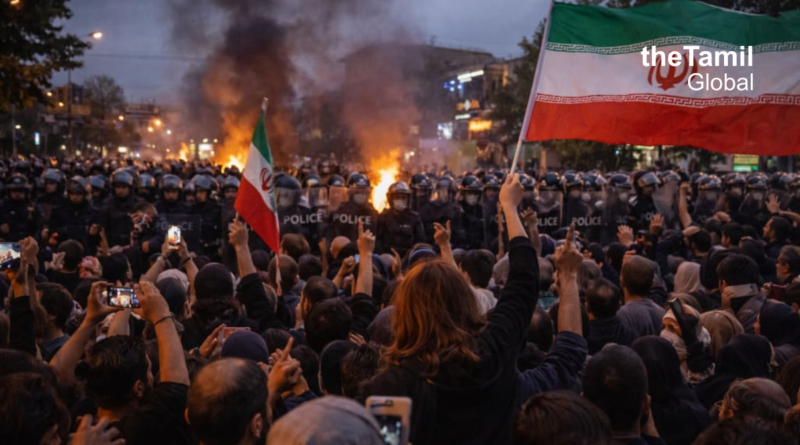
Iranians Protesting Against the Government; not in favor of US or Israel
In the streets of Tehran, Mashhad, and dozens of other cities across Iran, a wave of protests has erupted, marking one of the most significant challenges to the Islamic Republic in years. Sparked by a plummeting currency and soaring inflation, the demonstrations that began on December 28, 2025, have evolved into broader calls for political change. However, amid accusations from Iranian officials of foreign meddling and western media portraying pro-western sentiment, protesters insist their grievances are purely domestic, rejecting any alignment with the United States or Israel.
The economic crisis lies at the heart of the unrest. Iran’s rial hit record lows against the US dollar, exacerbating the cost of living. Prices for essentials like cooking oil and chicken have skyrocketed, with some goods disappearing from shelves. This follows years of international sanctions, corruption, and government mismanagement.
Protests initially erupted in Tehran’s bazaars but quickly spread to all 31 provinces, with over 340 demonstrations documented by the US-based Human Rights Activists News Agency (HRANA). Casualties have mounted: Norway-based Iran Human Rights reports at least 45 protesters killed, including children, while state media claims injuries to hundreds of security personnel. Over 2,300 arrests have been made, per HRANA.
As the movement grew, chants shifted from economic demands to anti-regime slogans like “Death to Khamenei” and calls for the ouster of the clerical establishment. Some demonstrators have invoked Reza Pahlavi, the exiled son of the former shah and the self nominated shah heir to the crown as a symbol of alternative governance, though support remains fragmented.
The government has responded with force: internet blackouts since January 8, gunfire, and tear gas deployments. Supreme Leader Ayatollah Ali Khamenei labeled protesters “vandals” and “saboteurs,” vowing a crackdown, while Judiciary Chief Gholamhossein Mohseni Ejei promised to “deal firmly” with rioters.
Iranian officials have repeatedly blamed the US and Israel for instigating the unrest. Foreign Minister Abbas Araghchi accused both nations of “direct intervention,” citing statements from US President Donald Trump, who warned of retaliation if protesters are killed but clarified no “boots on the ground”. Supreme Leader Khamenei claimed demonstrators were “ruining their own streets to make the president of another country happy,” referring to Trump.
Yet, protesters reject these claims, emphasizing internal issues. One demonstrator told The Guardian: “It’s them that have betrayed the very sense of being an Iranian,” dismissing accusations of collusion with Israelis and Americans.
The protestors rhetoric opposes the religious establishment above the democratically established Iranian government, not endorsing Israel or the US, as portraited by many western media outlets.
While some voices, like a Tehran protester interviewed by The Jerusalem Post, express admiration for Israeli Prime Minister Benjamin Netanyahu’s targeted strikes that avoided civilian casualties, this appears anecdotal and not representative of the broader movement.
Many fear foreign intervention, citing US actions in Iraq and Afghanistan as destructive. Iran’s situation remain tense as we are watching closely to give you a different perspective.