
Sri Lanka’s Cyclone Ditwah Rebuilding Cost Calculated at $7 Billion
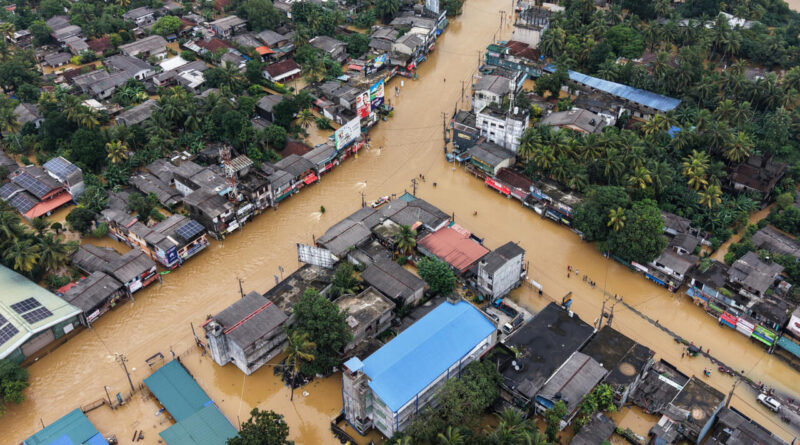
The island nation of Sri Lanka, still reeling from the devastating economic collapse of 2022, is now facing a reconstruction bill that could top $7 billion following the impact of Cyclone Ditwah, a catastrophe that officials have described as the country’s deadliest natural disaster since the 2004 tsunami. The sheer scale of the devastation, which struck in late November 2025, risks not only reversing the tentative economic progress achieved through an ongoing International Monetary Fund (IMF) program but also plunging hundreds of thousands more families into poverty. The Commissioner General of Essential Services, Prabath Chandrakeerthi, has publicly placed the initial cost estimate for comprehensive rebuilding at this staggering figure, a number that immediately calls into question the nation’s already precarious debt sustainability. The government has already made an appeal to the international community and sought an additional $200 million in emergency funding from the IMF, which is currently reviewing the request. The financial vulnerability is stark; as Azusa Kubota, the United Nations Development Programme (UNDP) Resident Representative in Sri Lanka, has cautioned, the country cannot afford to shoulder more debt for rebuilding and requires affordable financing from partners to prevent it from “falling off the debt cliff.” This crisis unfolds against a backdrop where the nation’s poverty rate had already doubled to nearly 25% due to years of economic stress.
The human toll of Ditwah is heartbreaking, with the Disaster Management Center (DMC) confirming the death toll has reached 638 as of today, December 9, with more than 190 individuals still listed as missing. The physical damage extends across key sectors, threatening immediate and long-term stability. Data from the UNDP indicates that floodwaters inundated nearly one-fifth of Sri Lanka’s land area, directly affecting an estimated 2.3 million people, approximately 10% of the total population. The destruction of housing infrastructure is particularly acute. According to the latest reports from the DMC, the number of homes completely destroyed has surpassed 5,000, with the central hill districts of Kandy and Nuwara Eliya bearing the heaviest losses. Beyond residences, Minister of Buddha Sasana, Religious and Cultural Affairs Sunil Senevi reported that close to 764 religious places, including Buddhist temples, Hindu Kovils, Catholic Churches, and Mosques, have suffered structural damage, necessitating a massive, multi-phased reconstruction effort across the nation’s diverse communities.
Perhaps most critically for the nation’s financial future, the agricultural sector, which provides livelihoods and food security, has been severely compromised. The cyclone hit during the vulnerable early stages of the crucial Maha cropping season. Experts have warned that the damages to paddy, tea, and other key perennial crops will create a profound shock that undermines not only current production but also future harvests and national food security well into 2026, forcing Colombo to reconcile its immediate relief needs with its long-term economic reform commitments. Analysts are already projecting that the national growth rate, once optimistically seen at 4.5% for this year, will likely slow to around 3% in 2026 as the cyclone’s negative economic drag is felt. The need for rapid, coordinated assistance has spurred a regional and global response. The United States has provided immediate assistance, including $2 million in emergency aid and the deployment of C-130 aircraft for humanitarian logistics, while Pakistani and Indian militaries are actively engaged on the ground providing engineering support to repair crucial infrastructure like bridges and medical teams that have treated thousands of victims. The combination of pre-existing fiscal fragility and this massive natural disaster means that the international relief and development community, including multilateral partners and donor nations, will play an even more critical role in the months ahead as Sri Lanka navigates this humanitarian and financial catastrophe.