
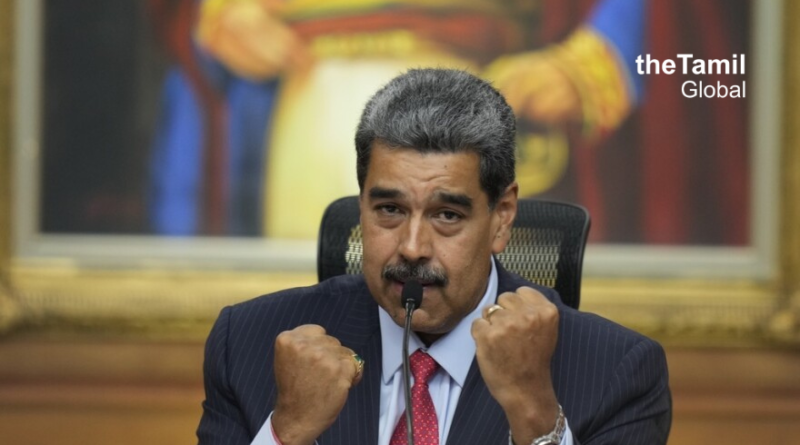
At Least 40 People Killed in Venezuela by US Strikes
In a dramatic escalation of tensions between the United States and Venezuela, American forces launched a series of airstrikes and a ground operation yesterday that resulted in the capture of President Nicolás Maduro and the deaths of at least 40 people, including civilians and military personnel. The operation, described by U.S. officials as a targeted effort to dismantle what they call a “narco regime,” has sparked international outrage and raised questions about the legality and humanitarian cost of unilateral military actions in Latin America.
According to a senior Venezuelan official cited in reports, the strikes targeted military sites in and around Caracas, but also inadvertently hit civilian areas, leading to significant loss of life. The New York Times detailed that among the casualties was an 80-year-old woman killed when an apartment building was struck, highlighting the collateral damage in densely populated urban zones.
Xinhua, the Chinese state news agency, corroborated this figure, reporting that the dead included both civilians and members of the armed forces, with the strikes occurring on Saturday. Similarly, China Daily echoed the toll, marking the mixed nature of the victims.
The operation marks the culmination of months of U.S. pressure on the Maduro government, which has been accused by Washington of drug trafficking, corruption, and human rights abuses. President Donald Trump, in a statement from the White House, hailed the mission as a success, noting that Maduro was “highly guarded” at the time of his capture and that no U.S. soldiers were killed, though some sustained minor injuries.
Trump further announced that Maduro would face trial in New York on longstanding indictments related to narcoterrorism. Social media reactions from figures like Elon Musk described the Venezuelans’ celebrations as “heartwarming,” but on the ground reports paint a more complex picture of chaos and grief.
@FoxNewsEyewitness accounts and social media posts from X (formerly Twitter) provide a raw glimpse into the aftermath. One user shared images of Venezuelan soldiers killed in clashes with U.S. forces, underscoring the intensity of the confrontation.
@Uncensorednewsw Another post from a local journalist noted that the strikes hit not just military installations but also residential areas, leading to civilian deaths.
Venezuelan Vice President Delcy Rodríguez confirmed casualties among soldiers and civilians, though exact numbers remain fluid as assessments continue.
This incident is not isolated; it follows a pattern of U.S. interventions in the region. Prior actions in 2025 included strikes on suspected drug smuggling vessels that killed at least 115 people, mostly at sea, and a December drone strike on a port facility with no reported casualties. However, the January 3 operation represents a bold incursion onto Venezuelan soil, reminiscent of past U.S. operations in Iraq and Afghanistan, where initial triumphs often gave way to prolonged instability. Critics, including international observers, argue that this violates international law, as there was no United Nations authorization or clear self defense justification.
In Europe and Asia, condemnation has been strong, with calls for investigations under international humanitarian law. The United Nations Human Rights Council is expected to convene an emergency session, amid fears that the power vacuum could lead to civil unrest or a humanitarian crisis. Already, reports suggest thousands of refugees are fleeing toward neighboring countries, exacerbating regional migration issues.
From a foreign perspective, this operation underscores the perils of American unilateralism in a multipolar world. While Maduro’s regime has been widely criticized for authoritarianism, with the UN estimating over 20,000 extrajudicial killings under his rule, the U.S. approach risks alienating allies and bolstering anti-American sentiment across Latin America.
Trump’s declaration that the U.S. will temporarily oversee Venezuela to facilitate a transition, including involvement of American oil companies, has fueled accusations of neo colonialism. Oil prices have spiked to $94.50 per barrel, reflecting market instability, and experts warn of broader economic repercussions.
The true toll may rise as more information emerges. Venezuelan officials continue to assess the damage, and independent verifications are underway. For now, the 40 confirmed deaths serve as a stark reminder of the human cost of geopolitical maneuvering. As the world watches, the question remains: Will this lead to stability in Venezuela, or merely another chapter in a cycle of violence and intervention?